|
Getting your Trinity Audio player ready...
|
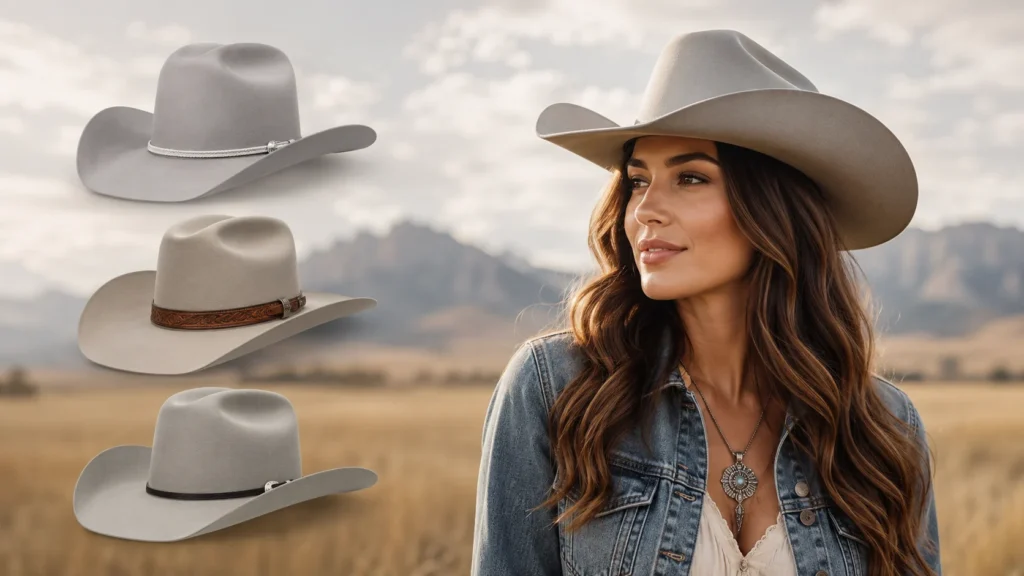
A Silver Belly Cowboy Hat is one of the most recognizable styles in Western fashion. Despite its name, the color is not actually silver. Instead, it refers to a soft, light beige shade that sits somewhere between cream, tan, and off-white.
The Silverbelly Cowboy Hat has remained popular for decades because it offers a clean, refined appearance while maintaining authentic Western character. Ranchers, rodeo competitors, country musicians, and everyday hat enthusiasts continue to choose this versatile color for both work and formal occasions.
Unlike darker hats that absorb heat and show dust more easily, a silver belly hat provides a lighter, more adaptable look that works across different seasons and settings.
Silverbelly Hat Meaning
Many first-time buyers wonder about the Silverbelly Hat Meaning.
In the Western hat industry, “silverbelly” refers to a specific felt color traditionally inspired by the light-colored fur found on the underside, or belly, of certain animals. Over time, hat manufacturers adopted the name to describe a distinctive light neutral shade used in felt hats.
Today, the term has become a standard color designation among major Western hat makers. When you see a Silver Belly Western Hat or Silverbelly Western Hat, the description refers primarily to the hat’s color rather than its shape or material.
What Color Is a Silver Belly Hat?
The most common question buyers ask is simple: what exactly is the Silver Belly Hat Color?
The answer depends slightly on the manufacturer, but most silverbelly hats fall within a similar color range.
Silverbelly Color Characteristics
A typical Silverbelly Color can be described as:
- Light beige
- Soft tan
- Cream-toned neutral
- Warm sandy shade
- Off-white with subtle warmth
Many people compare it to a:
- Light beige cowboy hat
- Light tan cowboy hat
- Cream-colored cowboy hat
- Off-white cowboy hat
- Sand-colored cowboy hat
The color offers enough warmth to avoid looking stark white while remaining light enough to stand out from traditional brown hats.
Why Silverbelly Became a Western Favorite
Western culture values practicality. The popularity of the Silver Belly Ranch Hat is not simply about appearance.
Several factors contribute to its long-standing appeal.
Versatility
A silverbelly hat pairs well with nearly every Western wardrobe color.
It complements:
- Blue denim
- Brown leather boots
- Black jackets
- Earth-tone shirts
- Plaid Western shirts
Few hat colors provide the same flexibility.
Timeless Appearance
Fashion trends come and go. Western traditions often stay the same.
The Silver Belly Felt Hat has maintained its popularity because it looks classic rather than trendy. A well-made silverbelly hat purchased today can still look appropriate years from now.
Suitable for Multiple Occasions
A black cowboy hat often feels formal.
A straw hat may seem too casual.
A Silver Belly Western Hat sits comfortably in the middle. It works for:
- Ranch work
- Rodeos
- Country weddings
- Western events
- Everyday wear
That balance makes it one of the safest choices for first-time buyers.
Silver Belly Felt Color vs Other Cowboy Hat Colors
Understanding how Silverbelly Felt Color compares to other popular options helps buyers make a better decision.
| Color | Appearance | Best For |
| Silverbelly | Light beige with warm undertones | Everyday wear, formal events, ranch use |
| Black | Dark and bold | Formal occasions |
| Chocolate Brown | Rich earth tone | Traditional Western styling |
| Gray | Cool and modern | Urban Western fashion |
| Natural Straw | Light and breathable | Summer use |
Silverbelly often stands out because it offers a neutral look without appearing too plain.
Choosing the Right Silver Belly Cowboy Hat
Not all silverbelly hats are identical.
When shopping for a Silver Belly Cowboy Hat, consider several factors beyond color.
Material
Most premium options use felt.
Common felt materials include:
- Wool felt
- Fur felt
- Rabbit felt
- Beaver felt
According to the Cowboy Hat Guide published by the Cowboy Hat Guide, higher-quality fur felt generally provides better durability, shape retention, and weather resistance than basic wool felt.
Crown Shape
The crown is the raised portion of the hat.
Popular crown styles include:
- Cattleman
- Brick
- Gus
- Pinch Front
The crown shape often influences the overall personality of the hat more than the color itself.
Brim Width
A wider brim offers greater sun protection, while narrower brims create a more modern appearance.
Many traditional Western hats feature brims between 4 and 4.5 inches.
Is Silverbelly a Good Color for First-Time Buyers?
Yes.
Many Western hat experts recommend a Silverbelly Cowboy Hat as a first purchase because the color works with almost everything.
A neutral shade reduces the risk of buying a hat that only matches a few outfits.
Think of it like choosing a gray suit instead of a bright-colored one. The neutral option creates more styling possibilities.
For someone building a Western wardrobe, a Neutral Cowboy Hat Color often delivers the greatest value.
Styling a Silver Belly Western Hat
One reason the Silverbelly Western Hat remains popular is its flexibility.
Casual Western Look
Pair your hat with:
- Blue Jeans
- Plaid Shirt
- Brown Boots
This combination creates a classic ranch-inspired appearance without looking overly formal.
Smart Western Style
For events and gatherings, combine:
- Silverbelly Felt Hat
- Dark Jeans
- Sport Coat
- Leather Belt
The contrast between the light hat and darker clothing creates a polished look.
Summer-Friendly Outfit
Because silverbelly belongs to the family of Light Western Hat Colors, it pairs naturally with lighter seasonal clothing.
Khaki, light blue, cream, and tan shades all work exceptionally well.
Caring for a Silver Belly Felt Hat
Lighter colors require regular maintenance.
Fortunately, caring for a Silver Belly Felt Hat is straightforward.
Basic Care Tips
- Store the hat on a hat stand or rack.
- Brush felt regularly using a soft hat brush.
- Handle the brim instead of the crown when possible.
- Keep the hat dry when practical.
- Use a protective hat box for travel.
The Hat Life recommends brushing felt hats in a consistent direction to remove dust and maintain the felt’s appearance.
Avoid Common Mistakes
Do not:
- Leave the hat in a hot vehicle
- Store it upside down on the crown
- Clean it with harsh household chemicals
- Expose it to prolonged moisture
Simple habits can significantly extend the life of a quality hat.
Why the Silverbelly Color Continues to Thrive
Western fashion constantly evolves, yet some traditions remain strong.
The Silver Belly Hat Guide would not be complete without acknowledging why this color continues to attract new fans year after year.
The answer comes down to balance.
The Warm Beige Western Hat appearance feels traditional without appearing outdated. It works in formal settings without feeling stiff. It stands out without demanding attention.
In other words, it achieves what many fashion choices fail to do: it remains practical, attractive, and timeless all at once.
Final Thoughts
The Silver Belly Cowboy Hat has earned its reputation as one of the most versatile options in Western headwear. Whether you call it a Silverbelly Cowboy Hat, Silver Belly Ranch Hat, or Silverbelly Western Hat, the appeal remains the same.
Its distinctive Silver Belly Hat Color blends the best qualities of a light beige cowboy hat, cream-colored cowboy hat, and sand-colored cowboy hat into one timeless shade.
For newcomers and longtime Western enthusiasts alike, a silverbelly hat offers a dependable combination of style, function, and tradition. If you want one hat that works almost everywhere, this classic Western color remains difficult to beat.
Call to Action
To learn more about cowboy hats and the ranch culture of the Wild West, keep visiting Hatwanderer.com and reading our informative blog posts.

Mike Wilson is a Western fashion enthusiast, content creator, and founder of HatWanderer.com. He shares expert insights, buying guides, and honest reviews to help readers choose the right cowboy hats and Western apparel.
Passionate about Western culture and craftsmanship, Mike covers hat styles, fit, materials, care, and the heritage behind iconic Western brands. His goal is to help both newcomers and longtime enthusiasts build a timeless Western wardrobe with confidence.
When he’s not writing, Mike enjoys exploring Western fashion trends, studying the history of cowboy culture, and discovering quality craftsmanship from respected hat makers.