
|
Getting your Trinity Audio player ready...
|
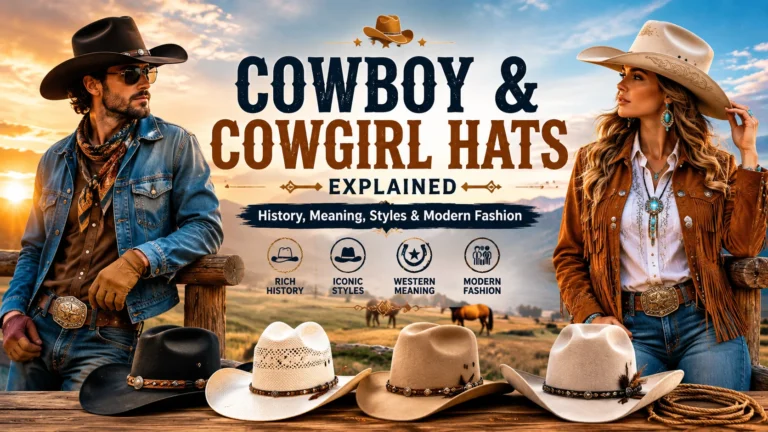
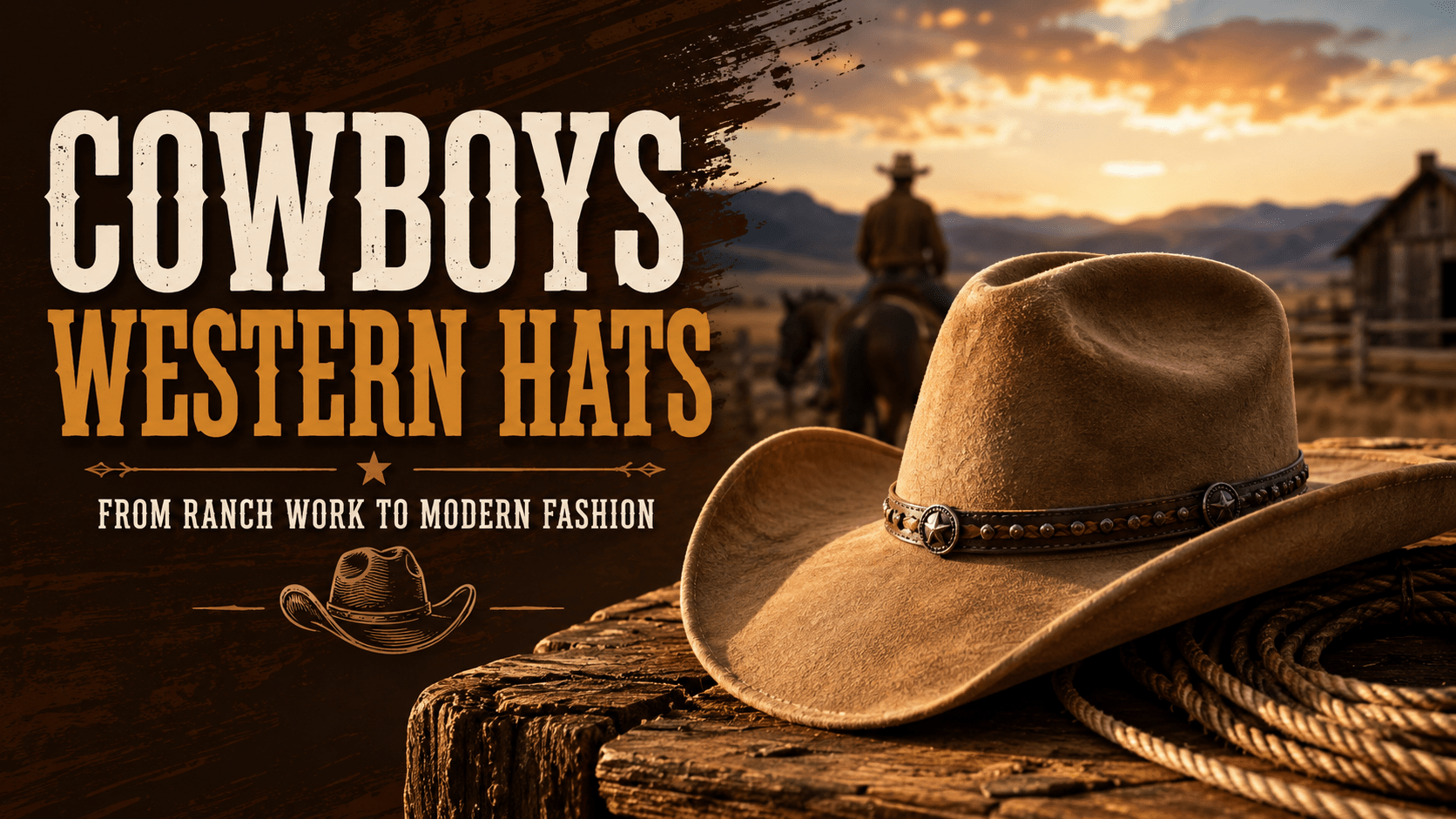
Cowboys western hats are more than iconic fashion accessories — they’re a lasting symbol of American heritage, ranch culture, and rugged individuality. Originally designed for hardworking cowboys facing harsh outdoor conditions, western cowboy hats have evolved into timeless pieces worn in rodeos, country concerts, ranch work, and modern streetwear fashion.
From classic felt cowboy hats to lightweight straw styles, these hats continue to combine function, personality, and Western tradition. Whether you’re exploring cowboy culture for the first time or searching for the right hat style, understanding their history and craftsmanship makes choosing the perfect cowboy hat much easier.
In this guide, we’ll explore:
- The history of cowboy hats
- Popular cowboy hat styles
- Felt vs straw cowboy hats
- Modern fashion trends
- How to choose the right western hat
The History of Cowboy Western Hats
The origins of cowboy hats trace back to the American West during the 1800s. Cowboys spent long days riding cattle trails under intense sun, rain, dust storms, and changing weather conditions. They needed durable hats that offered protection while staying comfortable during long hours outdoors.
One of the most influential designs came from John B. Stetson, whose legendary “Boss of the Plains” hat became the foundation for modern cowboy hats. Its wide brim protected riders from the sun, while the high crown improved airflow and insulation.
As ranch culture expanded across Texas, Wyoming, and other western states, cowboy hats became part of daily life. Different regions gradually developed unique brim shapes and crown styles suited for local weather, riding traditions, and personal preference.
Today, cowboy western hats remain deeply connected to ranch work, rodeo culture, country music, and Western fashion.
Why Cowboy Hats Became a Western Icon
Cowboy hats gained national popularity through Hollywood western films during the early 20th century. Legendary actors like John Wayne helped transform cowboy hats into symbols of toughness, independence, and frontier spirit.
Classic western movies introduced audiences worldwide to recognizable cowboy hat styles:
- High-crown cattleman hats
- Curved-brim rodeo hats
- Black felt western hats
- Ranch-style straw hats
As country music and rodeo events grew in popularity, western hats became mainstream fashion pieces rather than strictly workwear.
Today, celebrities, musicians, ranchers, and fashion enthusiasts all wear cowboy hats for different reasons:
- Cultural identity
- Practical outdoor use
- Personal style
- Vintage americana fashion
Popular Cowboy Hat Styles
Not all cowboy hats look the same. Different crown shapes and brim designs create distinct western styles.
Cattleman Cowboy Hat
The cattleman crease is the most traditional cowboy hat style. It features:
- A tall crown
- Three crown creases
- Slightly curved brim
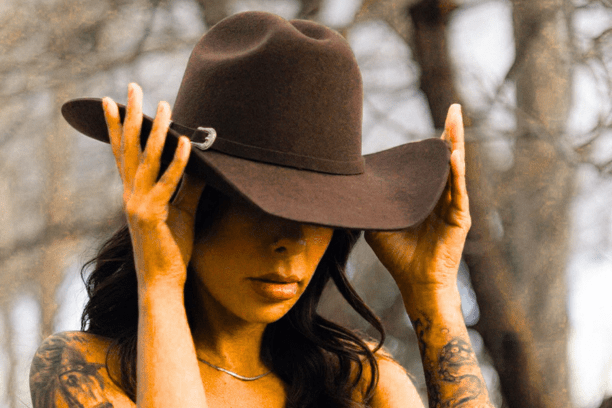
This is the classic ranch and rodeo look commonly associated with traditional cowboys.
Gus Cowboy Hat
The Gus style has:
- A higher front crown
- Sloped shape
- Dramatic western appearance
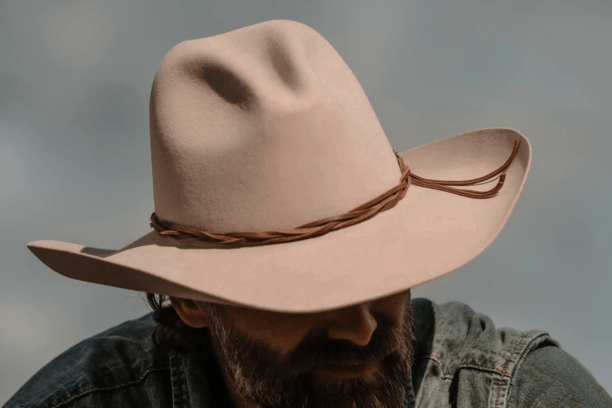
It became especially popular through western films and rodeo culture.
Pinch Front Cowboy Hat
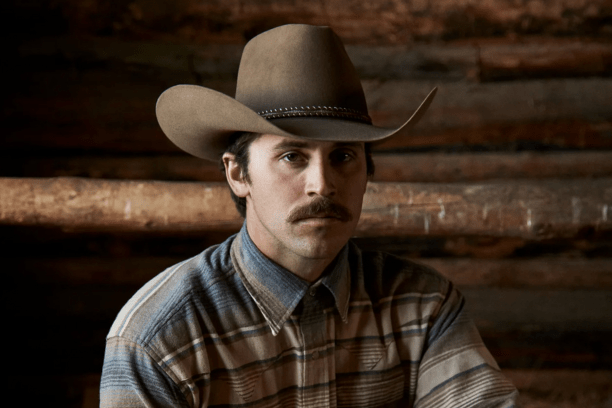
This style has a front pinched crown similar to fedora-inspired western hats. It offers a more modern and fashion-forward appearance.
Felt vs Straw Cowboy Hats
One of the biggest decisions when choosing a cowboy hat is selecting the right material.
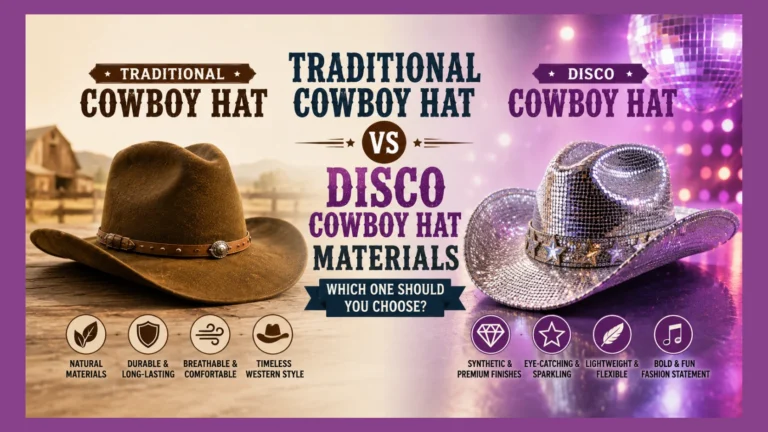
Felt Cowboy Hats
Felt cowboy hats are known for:
- Durability
- Structure
- Premium appearance
- Cold-weather performance
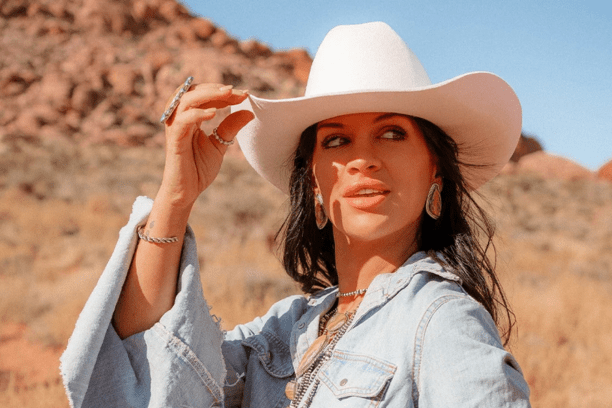
High-quality felt hats are commonly made from:
- Wool felt
- Fur felt
- Beaver felt blends
Many serious ranchers and rodeo riders prefer felt cowboy hats because they hold their shape well and offer long-term durability.
Straw Cowboy Hats
Straw cowboy hats are lightweight and breathable, making them ideal for:
- Summer weather
- Ranch work
- Outdoor festivals
- Hot climates
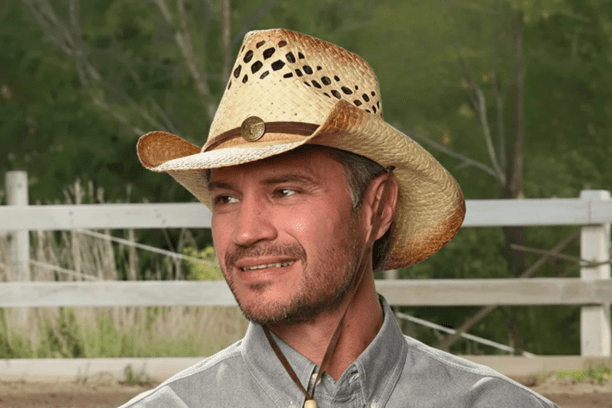
They’re especially popular in southern and southwestern states where temperatures remain high most of the year.
A common western tradition is:
- Straw hats in summer
- Felt hats in colder months
How to Choose the Right Cowboy Hat
Choosing the best cowboy hat depends on your lifestyle, climate, and personal style.
Consider the Material
- Felt for durability and colder weather
- Straw for breathability and summer use
Check the Fit
A properly fitted cowboy hat should:
- Sit comfortably above the ears
- Feel secure without tight pressure
- Stay stable during movement
Choose the Right Brim Shape
Wide brims provide better sun protection, while narrower brims often create a cleaner fashion-focused look.
Match Your Style
Traditional ranch styles work well for authentic western wear, while modern cowboy hats can blend into casual streetwear and contemporary fashion.
Best Cowboy Hat Brands
Several western brands have helped shape cowboy hat culture over the decades.
Popular cowboy hat brands include:
- Stetson
- Resistol
- Ariat
These brands are known for quality craftsmanship, premium materials, and authentic western styling.
Cowboy Hats in Modern Fashion
Western fashion has experienced a major comeback in recent years. Cowboy hats now appear in:
- Streetwear trends
- Music festivals
- Country concerts
- Luxury fashion collections
- Influencer styling content
Modern western fashion combines traditional cowboy aesthetics with contemporary outfits like:
- Denim jackets
- Leather boots
- Oversized flannels
- Minimalist neutral clothing
The versatility of cowboy hats has helped them remain relevant far beyond ranch culture.
How to Care for a Cowboy Hat
Proper maintenance can extend the lifespan of your cowboy hat for years.
Cowboy Hat Care Tips
- Store hats upside down to protect the brim
- Avoid excessive moisture
- Use a soft brush to remove dust
- Keep felt hats away from extreme heat
- Store hats in a cool, dry place
Well-maintained cowboy hats often develop unique character over time, making them even more personal to the owner.
Frequently Asked Questions
Why are cowboy hats curved on the sides?
Curved brims improve comfort, visibility, and handling while riding horses or working outdoors.
What cowboy hats do real cowboys wear?
Most working cowboys choose practical felt or straw hats designed for durability and weather protection.
Are felt cowboy hats better than straw hats?
Neither is universally better. Felt hats are more durable and formal, while straw hats are lighter and cooler for warm weather.
Can cowboy hats get wet?
Light moisture is usually manageable, but excessive rain can damage certain materials and alter the hat’s shape.
What is the most traditional cowboy hat style?
The cattleman crease remains the most classic and widely recognized western cowboy hat style.
Final Thoughts
Cowboy western hats represent far more than fashion. They carry generations of western heritage, practical craftsmanship, and cultural identity. From dusty cattle trails to modern city fashion, cowboy hats continue to evolve while maintaining their timeless appeal.
Whether you prefer a classic felt cattleman hat or a lightweight straw western style, the right cowboy hat combines comfort, function, and personality in a way few accessories can match.
As western fashion continues growing in popularity, cowboy hats remain one of the most recognizable and enduring symbols of the American West.
Call to Action
To learn more about cowboy hats and the ranch culture of the Wild West, keep visiting Hatwanderer.com and reading our informative blog posts.

Mike Wilson is a Western fashion enthusiast, content creator, and founder of HatWanderer.com. He shares expert insights, buying guides, and honest reviews to help readers choose the right cowboy hats and Western apparel.
Passionate about Western culture and craftsmanship, Mike covers hat styles, fit, materials, care, and the heritage behind iconic Western brands. His goal is to help both newcomers and longtime enthusiasts build a timeless Western wardrobe with confidence.
When he’s not writing, Mike enjoys exploring Western fashion trends, studying the history of cowboy culture, and discovering quality craftsmanship from respected hat makers.