
|
Getting your Trinity Audio player ready...
|
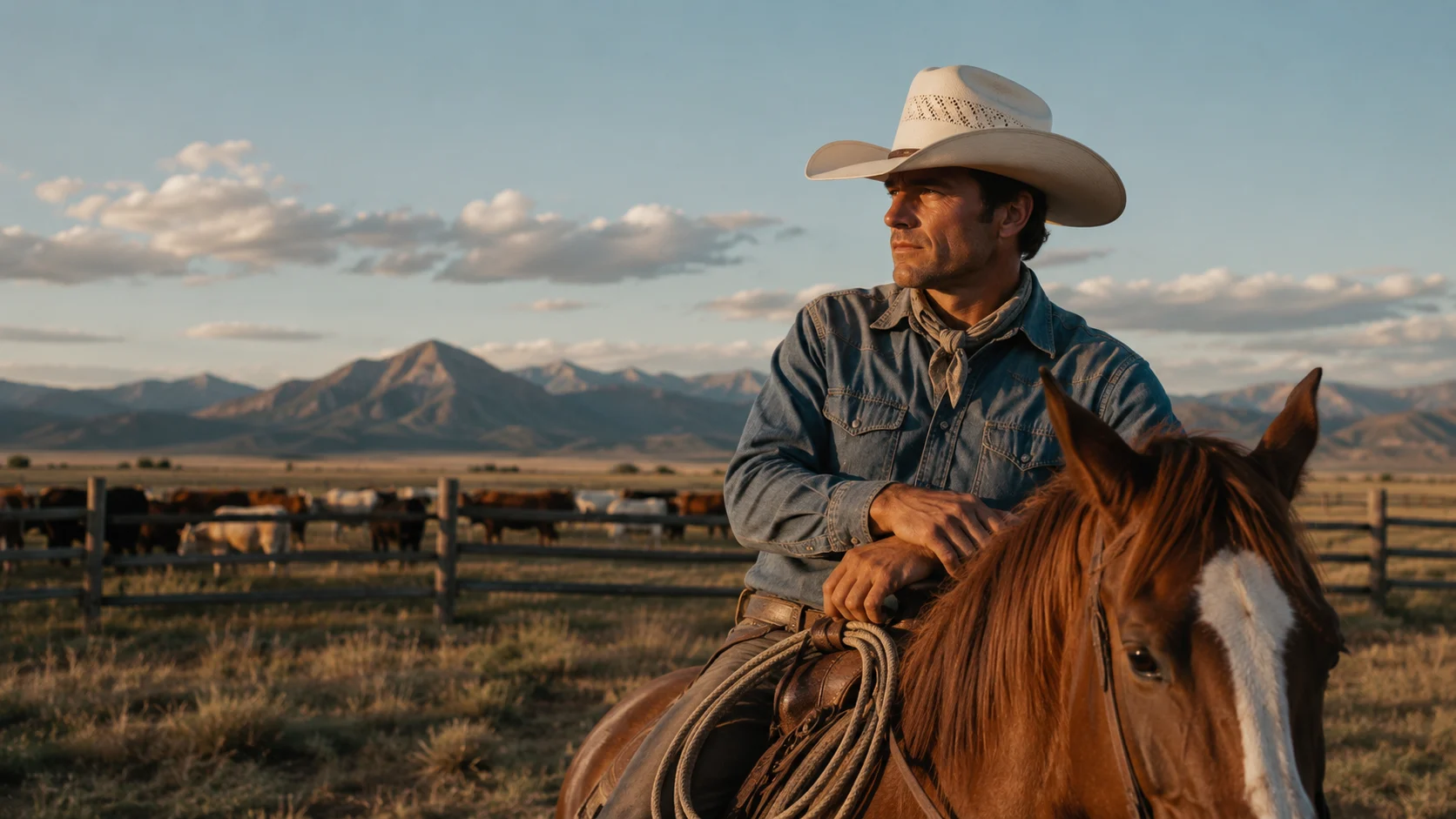
The white cowboy hat is one of the most recognizable symbols of the American West. Whether you’ve seen it on a ranch, at a rodeo, or in an old Western movie, the white hat has become closely associated with heroes, honesty, and strong moral character.
Interestingly, that symbolism didn’t begin with real cowboys. It was largely shaped by early filmmakers who needed a simple way for audiences to distinguish the hero from the villain. Over time, this visual storytelling device became deeply embedded in popular culture, influencing how millions of people interpreted cowboy hats.
Today, many people still assume a white cowboy hat represents the “good guy.” While the tradition isn’t an official cowboy rule, its influence remains remarkably strong.
In this guide, we’ll explore the history of the white cowboy hat, how Hollywood created its heroic image, why audiences embraced the symbolism, and how that legacy continues today.
The History of the White Cowboy Hat
Before the white cowboy hat became a movie icon, cowboy hats were practical tools designed to protect ranch workers from harsh weather.
Cowboy Hats Were Built for Function
During the nineteenth century, working cowboys spent long days outdoors herding cattle across vast landscapes. Their hats needed to provide shade from the sun, protection from rain, and durability against wind and dust.
Early hats varied widely in shape, color, and material. Cowboys often chose whatever worked best for their environment rather than following fashion trends.
Dark brown, black, gray, tan, and natural felt colors were all common. White hats certainly existed, but they were simply one option among many—not a badge of heroism.
The Influence of John B. Stetson
The history of the modern cowboy hat changed dramatically in 1865 when John B. Stetson introduced the “Boss of the Plains.”
Its wide brim, high crown, and durable felt construction made it well suited for ranch work throughout the American West.
Although the original design often featured light natural fur felt, Stetson soon produced hats in multiple colors as customer preferences evolved.
The company’s innovation standardized many features still seen in cowboy hats today.
White Hats Became Popular for Practical Reasons
One reason lighter hats gained popularity had little to do with symbolism.
Light-colored hats reflect more sunlight than darker ones, making them more comfortable during hot summers across Texas, Arizona, New Mexico, and other Western states.
Many ranchers preferred cream, silver belly, or white shades because they stayed cooler during long hours outdoors.
In other words, practicality came first. Symbolism came later.
How Hollywood Created the White Hat Hero
The white cowboy hat didn’t become famous on cattle drives—it became famous on movie screens.
As Western films grew in popularity during the early twentieth century, filmmakers faced a challenge.
Silent movies relied heavily on visual storytelling. Without spoken dialogue, audiences needed quick visual clues to understand each character.
Hat color became one of the easiest storytelling tools.
Making Heroes Instantly Recognizable
Directors often dressed the hero in a bright white or light-colored hat while giving the villain a black hat.
Even from a distance, viewers could immediately tell who they were supposed to support.
This simple contrast worked especially well in black-and-white films, where light and dark clothing created strong visual separation.
It was efficient storytelling long before audiences expected complex character development.
Silent Films Reinforced the Pattern
Many early Western stars regularly appeared wearing light-colored hats.
Although not every film followed the formula, audiences began connecting white hats with bravery, honesty, and justice.
Meanwhile, darker hats increasingly became associated with outlaws, corrupt sheriffs, cattle rustlers, and bank robbers.
The pattern became so familiar that viewers often understood a character’s role before they even spoke.
Why the White Hat Became a Symbol of the Good Guy
Hollywood didn’t invent the colors white and black as symbols of good and evil.
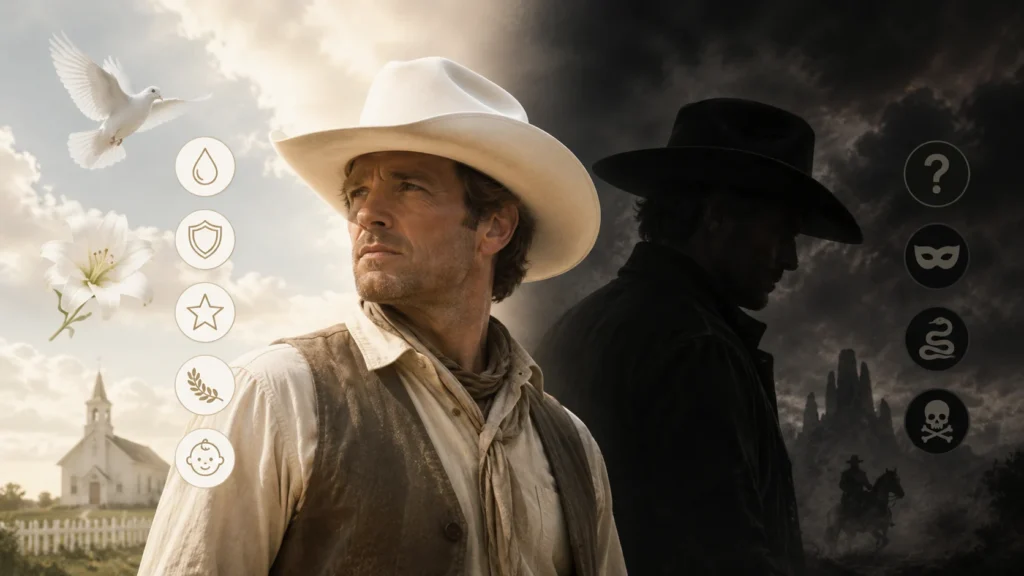
Many cultures have long associated white with ideas such as:
- Purity
- Honesty
- Hope
- Peace
- Innocence
Likewise, darker colors have often been used to represent mystery, danger, or moral ambiguity.
Filmmakers simply borrowed these existing associations and applied them to cowboy hats.
Simple Stories Needed Simple Symbols
Early Westerns were designed for broad audiences.
Rather than presenting morally complex characters, many stories featured clear heroes and villains.
The white hat became a visual shortcut that saved valuable screen time.
Instead of explaining who the hero was, the costume did much of the work.
It was effective, memorable, and easy for audiences of all ages to understand.
Audiences Embraced the Tradition
As generations grew up watching Westerns, the symbolism became part of popular culture.
Eventually, phrases like “wearing the white hat” entered everyday language as a metaphor for acting ethically or taking the moral high ground.
Today, the expression appears in business, politics, cybersecurity, and sports commentary—even when no cowboy hats are involved.
The White Hat as a Storytelling Symbol
Although modern films feature more nuanced characters, the white hat remains one of cinema’s most enduring visual symbols.
More Than a Costume
Costume designers understand that clothing helps audiences interpret characters before dialogue begins.
A white cowboy hat can suggest:
- Integrity
- Leadership
- Courage
- Optimism
- Responsibility
- Fairness
Of course, skilled filmmakers sometimes reverse expectations by giving morally ambiguous characters traditionally “heroic” clothing.
These creative choices make stories more interesting while acknowledging the audience’s existing assumptions.
Modern Westerns Challenge the Trope
Contemporary Western films and television series often blur the lines between heroes and villains.
Characters may wear white hats while making questionable decisions, or wear black hats despite having honorable intentions.
This shift reflects modern storytelling, where people are rarely portrayed as entirely good or entirely evil.
The result is richer, more realistic narratives.
Did Real Cowboys Follow the White Hat Rule?
Not really.
Historical photographs and written accounts show that working cowboys wore hats in many colors depending on availability, climate, personal preference, and cost.
Hat color rarely communicated a person’s morals or reputation.
Instead, practical considerations mattered far more.
A cowboy earned respect through hard work, reliability, and skill—not through the color of his hat.
Hollywood’s symbolism should therefore be understood as entertainment rather than historical fact.
The White Hat’s Lasting Influence on Popular Culture
Even outside Western films, the white hat continues to represent ethical behavior.
For example:
- Ethical computer hackers are commonly called “white hat hackers.”
- The phrase “white hat” often describes individuals acting with good intentions.
- Political commentators occasionally use the term to describe candidates viewed as principled.
- Businesses sometimes describe transparent practices as “wearing the white hat.”
These modern uses demonstrate how deeply the Hollywood image has entered everyday language.
The symbolism has expanded far beyond cowboy culture.
Why the White Cowboy Hat Still Matters Today
Although few people judge someone’s character based solely on hat color, the white cowboy hat still carries powerful cultural meaning.
It represents decades of storytelling, Western heritage, and cinematic tradition.
For many wearers, choosing a white hat reflects appreciation for classic Western style rather than a desire to play the hero.
Others simply enjoy its clean appearance and practical benefits in sunny climates.
Either way, the hat remains one of the most recognizable icons in American culture.
Frequently Asked Questions
Did real cowboys wear white cowboy hats?
Yes. Real cowboys wore hats in many colors, including white, cream, tan, brown, gray, and black. Their choices were usually based on practicality, weather conditions, material availability, and personal preference rather than symbolism.
Why do heroes wear white cowboy hats in movies?
Early Hollywood Westerns used white hats to help audiences quickly identify heroic characters. The visual contrast between a white hat and a black hat made storytelling easier, particularly in silent films and early black-and-white cinema.
Is the white hat versus black hat tradition historically accurate?
Not entirely. While some real cowboys wore white hats, there was never a historical rule stating that good people wore white and villains wore black. That convention was primarily developed by filmmakers as a storytelling device.
Does the white hat still symbolize the good guy today?
In popular culture, yes. Many people still associate a white cowboy hat with honesty, courage, and leadership because of its long history in Western films. However, modern movies often challenge this traditional symbolism by creating more complex characters.
Final Thoughts
The history of the white cowboy hat is a fascinating blend of practicality, craftsmanship, and cinematic storytelling. Originally designed to protect hardworking ranchers from the elements, the hat gained an entirely new identity when Hollywood embraced it as the uniform of the hero.
That simple visual choice shaped generations of viewers and transformed the white cowboy hat into a lasting symbol of integrity, courage, and justice. While real-life cowboys never followed a strict “white hat equals good guy” rule, the trope remains one of the most recognizable storytelling devices in film history.
Today, whether worn on a ranch, at a rodeo, or simply as a fashion statement, the white cowboy hat continues to connect modern audiences with the enduring spirit of the American West.
References
- John B. Stetson Company – History of the Boss of the Plains
- National Cowboy & Western Heritage Museum – History of Western attire and cowboy culture
- Library of Congress – Collections on the American West and early Western films
- Smithsonian Institution – Resources on Western history, material culture, and American cinema
Continue Reading
If you’re still researching symbolism and meaning of different Cowboy Hat Colors, these blog post can help:
- Cowboy Hat Color Meanings
- White vs Black Cowboy Hat
- Black vs Brown Cowboy Hat
- Top Hat vs Cowboy Hat
- White Cowboy Hat Meaning

Mike Wilson is a Western fashion enthusiast, content creator, and founder of HatWanderer.com. He shares expert insights, buying guides, and honest reviews to help readers choose the right cowboy hats and Western apparel.
Passionate about Western culture and craftsmanship, Mike covers hat styles, fit, materials, care, and the heritage behind iconic Western brands. His goal is to help both newcomers and longtime enthusiasts build a timeless Western wardrobe with confidence.
When he’s not writing, Mike enjoys exploring Western fashion trends, studying the history of cowboy culture, and discovering quality craftsmanship from respected hat makers.